
New Build/Conversion Domestic EPC Assessment: Covering England and Wales
Need a Domestic EPC? We offer a fast, reliable, and nationwide service with unmatched expertise. Compliance and quality assurance made easy, hassle-free, and efficient.
A New Build/Conversion Domestic EPC Assessment is the SAP-based energy assessment used for a newly constructed dwelling, including a new home created by conversion or change of use. It is not the existing-house EPC route. In practice, it is the assessment used to generate the domestic EPC for a new dwelling and to support the wider energy-compliance process around that dwelling.
No. This service is for new-build dwellings and new dwellings created by conversion or change of use, not for standard existing-house EPCs. Official guidance is clear that RdSAP is the simpler method used for existing dwellings, whereas SAP is the approved methodology for a newly constructed dwelling.
SAP is the government-approved methodology for producing an EPC for a newly constructed dwelling, while RdSAP is the simplified method used for existing dwellings where less information is readily available. In simple terms, SAP is the detailed new-build/conversion route; RdSAP is the existing-home route built around assumptions.
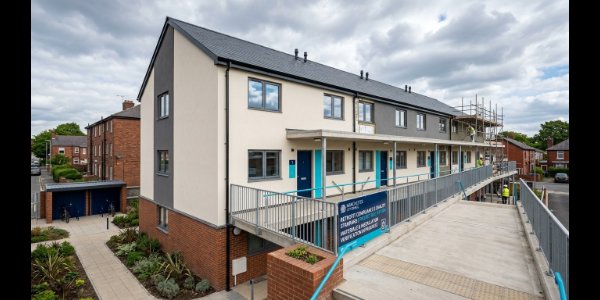
For EPC purposes, official guidance says new dwellings cover new builds as well as conversions and change of use of existing properties. The glossary gives examples such as converting a house into self-contained flats or changing a church into a dwelling. So the key question is whether you are creating a new dwelling unit, not simply working on an old house.
Yes. Current official technical notes say it is a legal requirement for all new build domestic dwellings in England and Wales to have an EPC once completed. That is the baseline rule. In practice, developers may also lodge one earlier on the planned design and then update it later if the dwelling changes during construction.
No. The EPC is part of the overall energy-performance picture, but it is not the whole Part L evidence package on its own. For new dwellings, Approved Document L also relies on the relevant BREL or BRWL compliance report and associated evidence to show that what was designed is what was built. So the EPC matters, but it is not the only Part L document.
The design-stage SAP is based on the dwelling as designed before work starts, while the as-built SAP is based on the dwelling as actually constructed. Approved Document L in both England and Wales requires two versions of the compliance report: first the design-stage report, then the as-built report with any changes to the specification captured. That is why late changes matter so much.
Yes. Official EPC guidance says new dwellings include conversions and change of use, and the glossary also says SAP is the approved methodology for producing an EPC for a newly constructed dwelling, while RdSAP is for existing dwellings. That is the clearest regulatory reason this service is the right one for conversions creating dwellings.
Yes, that is often the practical route. Official technical notes say EPCs for new dwellings may be lodged earlier based on the planned design, and the EPC guide says an EPC must be commissioned before a building is put on the market where required. In practice, developers often use a design-based EPC first and then update it if the dwelling changes during construction.
Appoint the assessor early, get the design-stage SAP done before works start, keep a tight record of specification changes, and do not leave the final as-built information until the last minute. The official process in both England and Wales is built around design-stage and as-built reporting, and new dwellings must still have an EPC once complete. Projects that treat SAP, BREL / BRWL and EPC work as a live programme item usually avoid last-week problems.
Videos for new build/conversion domestic EPC's
Explore our videos for quick, engaging insights on building compliance. From step-by-step guides to expert advice, our video library simplifies complex topics, making it easier for you to take action and stay informed. Perfect for when you need clarity in minutes!