Need an SBEM Calculation? We offer a fast, reliable, and nationwide service with unmatched expertise. Compliance and quality assurance made easy, hassle-free, and efficient.
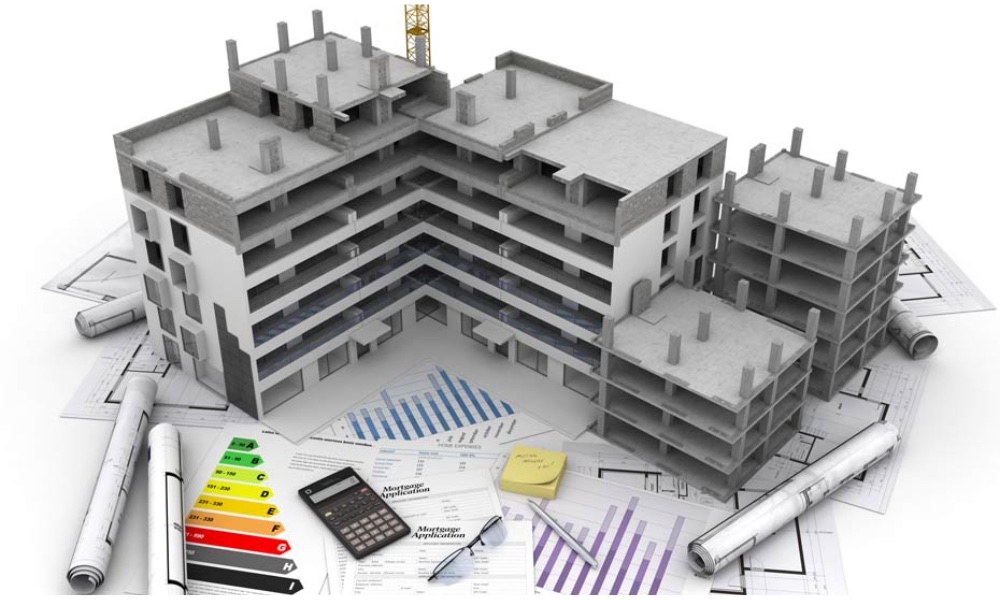
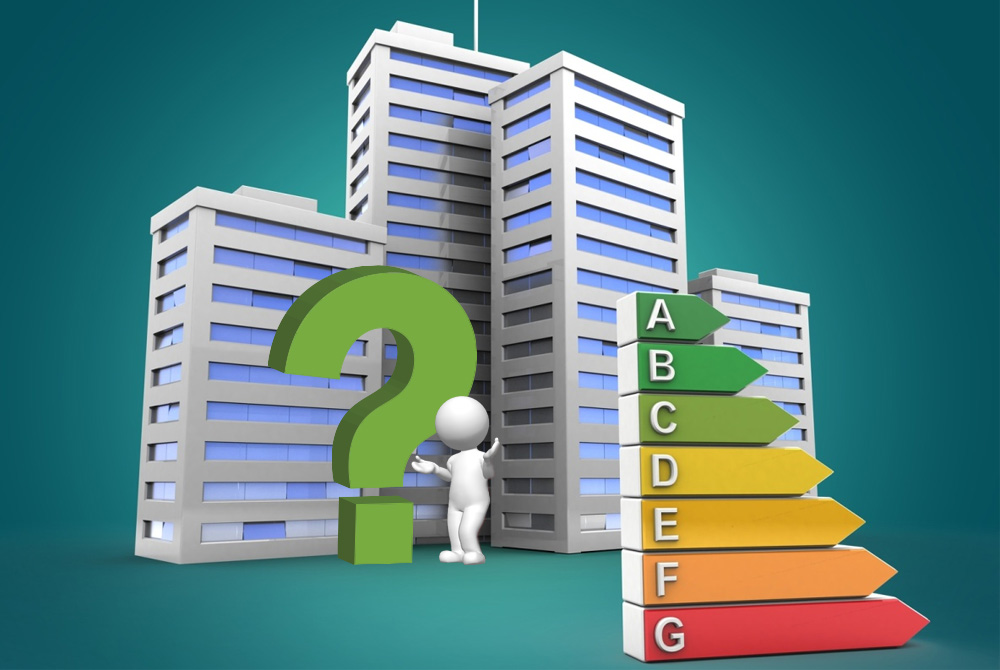
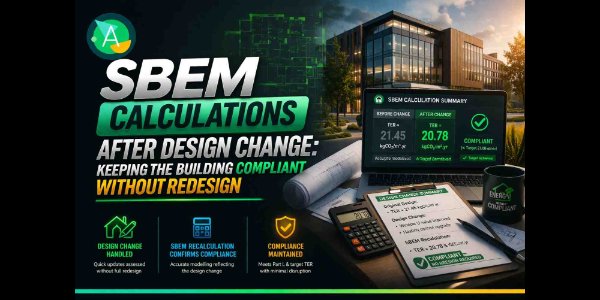
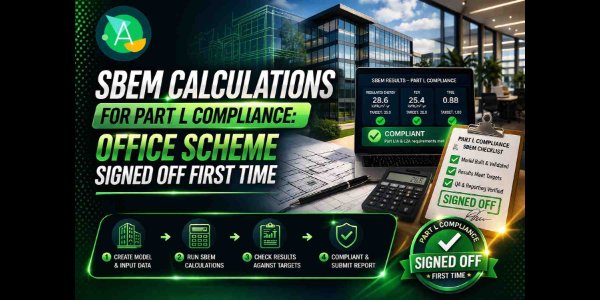
SBEM calculations are the Simplified Building Energy Model calculations used to assess the energy performance of buildings that are not dwellings. In practice, they are used to support Part L compliance, generate BRUKL reports, and feed the non-domestic EPC route where the approved methodology allows it. For most straightforward commercial projects, SBEM is the standard calculation engine behind non-domestic energy compliance.
Yes. SBEM is for non-domestic buildings, not for dwellings. Official guidance says the tool is designed to cover buildings that are not dwellings, while Approved Document L Volume 2 applies only to buildings other than dwellings. If the project is a house or flat, the domestic route is SAP, not SBEM.
No. SBEM is the calculation engine or approved modelling route, while BRUKL is the standardised Building Regulations UK Part L compliance report produced from the approved software. Approved Document L says SBEM will produce the BRUKL report as a standard output option. In simple terms, SBEM does the maths; BRUKL is the compliance report you hand over.
Yes, sometimes. Approved Document L Volume 2 allows an approved calculation tool to be used as an alternative way of showing that the existing building plus proposed extension performs no worse than the existing building plus a notional extension. In Wales, very large extensions are expressly treated as new buildings if they are both over 100m² and over 25% of the existing building’s total useful floor area.
Yes. Approved Document L Volume 2 gives guidance for existing buildings, including material change of use and change to energy status, and Section 11 covers the work-to-fabric route for those scenarios. In practice, SBEM calculations are often part of the wider evidence package where a non-domestic building is being converted, reconfigured or materially altered under the Part L framework.
SBEM is the standard simplified modelling route for many non-domestic buildings, while a DSM is a more detailed Dynamic Simulation Model. Official guidance says DSMs may be used where SBEM is not sophisticated enough to provide an accurate assessment. In practice, straightforward buildings often suit SBEM, while more complex buildings or servicing arrangements may justify DSM instead.
A BRUKL report is the Building Regulations UK Part L compliance report produced from the approved software for a non-domestic building. Approved Document L says it should be provided to the Building Control body and to the building owner to show that the work complies with the energy-efficiency requirements. In practical terms, it is the core Part L reporting output behind commercial compliance.
Yes. Approved Document L says the as-built calculation of the building primary energy rate and building emission rate must incorporate the measured air permeability. It also says the final building rates calculated using the measured air permeability must not be higher than the target rates. That is why SBEM, BRUKL and airtightness testing are tightly linked.
No, but most new non-domestic buildings do. Approved Document L says buildings should generally be pressure tested except for specific routes such as buildings under 500m² using a default air-permeability value, some factory-made modular routes, certain large complex building strategies and representative-area testing for compartmentalised buildings. The safe assumption on a new commercial job is that an air test is likely unless an approved alternative route clearly applies.
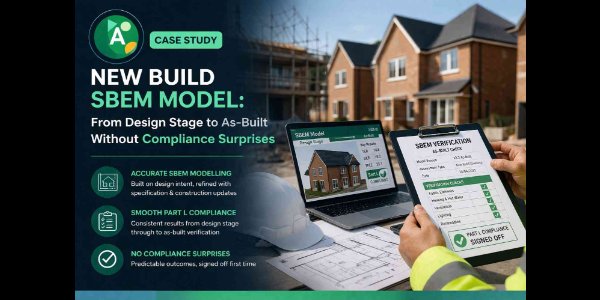
Get the assessor involved early, complete the design-stage BRUKL before works begin, lock the building use and zoning assumptions down early, and keep a live record of every specification change during the build. Approved Document L is built around a design-stage and as-built process for exactly this reason. The projects that pass smoothly are the ones that treat SBEM as a live compliance tool, not a last-week certificate request.
Videos for SBEM Calculations
Explore our videos for quick, engaging insights on building compliance. From step-by-step guides to expert advice, our video library simplifies complex topics, making it easier for you to take action and stay informed. Perfect for when you need clarity in minutes!